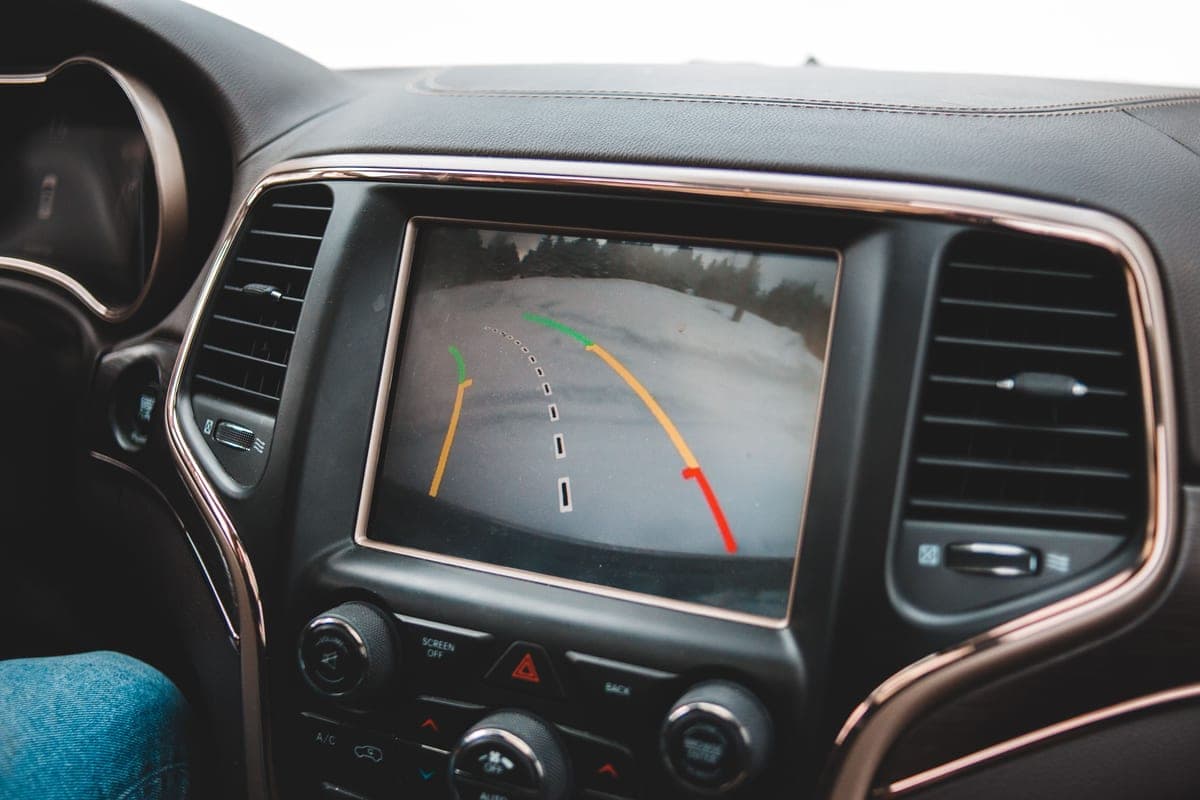
These are not competing products so much as different answers to a question people have not asked themselves yet: do you want detail in the directions that matter, or coverage in all of them?
The trade, stated once
Every camera system has a finite sensor and lens budget. A two-channel dash cam spends it on two directions — the two collisions come from — and gets a sharper image in each. A 360 system spreads it across four or more, and each individual view is correspondingly less detailed, before you account for the distortion that a very wide lens introduces at the frame edges.
That is the whole comparison. Everything else follows from it.
| Scenario | Better system | Why |
|---|---|---|
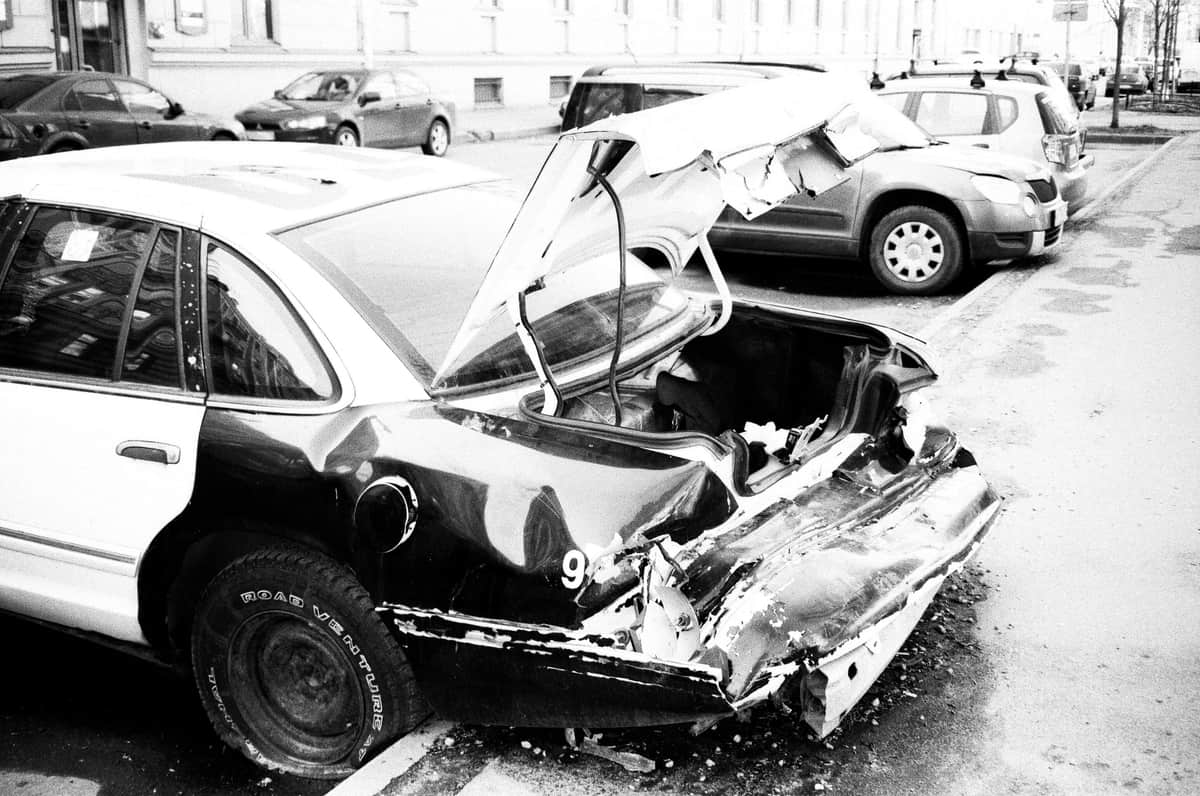
| Rear-ended at a light | Two-channel | Detail on the rear plate is what matters |
| Side-swiped in traffic | 360 | A forward and rear camera pair may see neither vehicle |
| Parking lot door ding | 360 | Coverage of the flanks is the whole point |
| Reading a plate at night | Two-channel | More pixels and better sensor per direction |
| Disputed fault at a junction | 360 | Shows the geometry of the whole scene |
| Uber / rideshare, interior needed | 360 or a 3-channel | Interior coverage is not something a 2-channel offers |
Quick picks
| # | Product | Best for | Price |
|---|---|---|---|
| 1 | 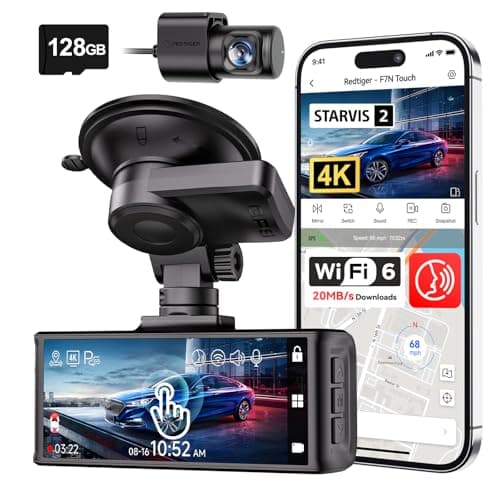 REDTIGER F7N Touch 4K Front + Rear Dash CamSTARVIS 2 sensor, 4K front, supercapacitor, GPS and a touch screen. On paper this is the most complete specification on this page. REDTIGER F7N Touch 4K Front + Rear Dash CamSTARVIS 2 sensor, 4K front, supercapacitor, GPS and a touch screen. On paper this is the most complete specification on this page. | The best-specified sensor here | $169.99 · View on Amazon #ad Price as of October 25, 2026. How we’re funded |
| 2 | 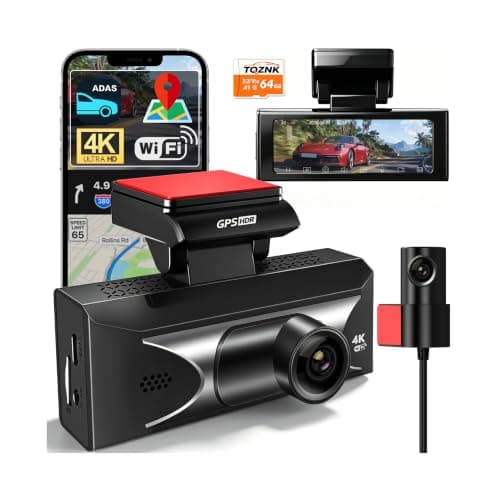 TQZNK 4K Front + 2.5K Rear Dash Cam with ADAS2.5K at the back rather than the usual 1080p, plus a supercapacitor rated from -22°F to 158°F — the widest published temperature range on this page. TQZNK 4K Front + 2.5K Rear Dash Cam with ADAS2.5K at the back rather than the usual 1080p, plus a supercapacitor rated from -22°F to 158°F — the widest published temperature range on this page. | The best rear resolution here | $89.97 · View on Amazon #ad Price as of October 25, 2026. How we’re funded |
| 3 | 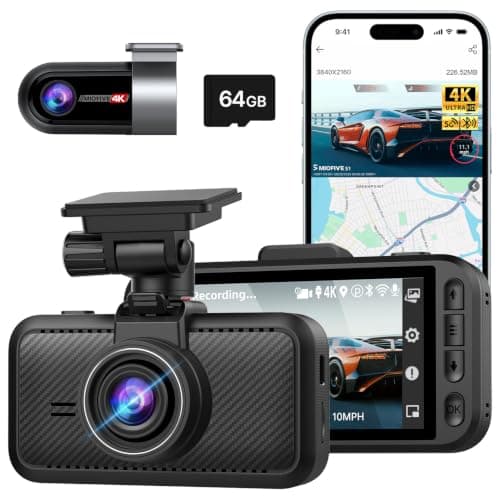 4K Front + 4K Rear Dual Dash Cam with 64GB CardThe only camera on this page that claims 4K at the rear as well as the front, with a supercapacitor and a 64 GB card in the box. 4K Front + 4K Rear Dual Dash Cam with 64GB CardThe only camera on this page that claims 4K at the rear as well as the front, with a supercapacitor and a 64 GB card in the box. | 4K at both ends | $134.99 · View on Amazon #ad Price as of October 25, 2026. How we’re funded |
#1 · The best-specified sensor here
REDTIGER F7N Touch 4K Front + Rear Dash Cam
REDTIGER
STARVIS 2 sensor, 4K front, supercapacitor, GPS and a touch screen. On paper this is the most complete specification on this page.
STARVIS 2 is Sony's low-light sensor line and it is the specification that actually decides whether a night plate is readable. Resolution without sensor quality gives you a very sharp picture of nothing.
A supercapacitor instead of a lithium battery is the right choice for a device that lives on a windshield. Batteries swell and fail in summer heat; capacitors tolerate it.
Parking mode on a G-sensor trigger records on impact. It does not record the person who keyed your door and walked away — that needs a motion or time-lapse mode and, usually, a hardwire kit.
What works
- STARVIS 2 sensor, published
- Supercapacitor rather than a battery
- 5 GHz Wi-Fi transfers footage far faster than 2.4 GHz
- 128 GB card included
What does not
- Rear camera is 1080p, not 4K
- Parking mode is impact-triggered rather than continuous
- No published operating temperature range on this listing
Skip this if
Skip it if you want true 24-hour parking surveillance. That needs continuous power and a hardwire kit, and this is not sold as that.
Where these numbers came from
We have not handled this product. Here is what we did instead.
#2 · The best rear resolution here
TQZNK 4K Front + 2.5K Rear Dash Cam with ADAS
TQZNK
2.5K at the back rather than the usual 1080p, plus a supercapacitor rated from -22°F to 158°F — the widest published temperature range on this page.
Rear resolution is where this category cuts corners, and the rear camera is the one that films the car that rear-ends you. 2.5K is a real upgrade over 1080p for reading a plate at night.
-22°F matters if you park outside in a northern winter. A camera that will not boot at -10°F is not recording your morning commute.
ADAS on a $100 dash cam is a lane-departure beep, not a driver aid. Treat it as noise you can switch off.
What works
- 2.5K rear
- Widest published temperature range here
- 5.8 GHz Wi-Fi and a 64 GB card included
What does not
- ADAS is marketing rather than a safety system
- Newer listing with less history
- 24H parking still assumes constant power
Skip this if
Skip it if you park in a garage in a mild climate — you are paying for cold-weather margin you will not use.
Where these numbers came from
We have not handled this product. Here is what we did instead.
#3 · 4K at both ends
4K Front + 4K Rear Dual Dash Cam with 64GB Card
Generic (dual 4K)
The only camera on this page that claims 4K at the rear as well as the front, with a supercapacitor and a 64 GB card in the box.
4K front and rear doubles your storage burn. A 64 GB card at dual 4K is a short loop — budget for a 256 GB high-endurance card on day one.
No named sensor. Resolution is easy to print on a box; sensor quality is what makes a night plate readable, and this listing does not tell you what is behind the lens.
What works
- 4K at both ends
- Supercapacitor
- Card, Bluetooth and GPS included
What does not
- No published sensor model
- Dual 4K fills a card fast
- Unbranded listing
Skip this if
Skip it if you will not buy a bigger card. At dual 4K the supplied 64 GB loops in well under two hours of driving.
Where these numbers came from
We have not handled this product. Here is what we did instead.
Installation is where the cost difference lives
A two-channel dash cam is one windshield camera plus a cable to the tailgate. A four-channel or 360 system usually means cameras at the flanks or in the mirrors, which is more cable, more trim removal and more of a job. If you are paying someone, that difference is larger than the difference in hardware price.
The one thing to check on any 360 claim
Whether the 360 is genuine coverage from multiple cameras or a single very wide lens marketed as 360. The second is a fisheye view from the windshield, which sees a lot of your own dashboard and very little down either flank. Count the cameras in the box.
What we are not comparing
Image quality between specific systems. That requires footage comparison in controlled conditions, which we do not do — the specialist dash cam publications do it properly and are worth reading before a large purchase. This page is about which architecture suits your problem.
How we picked these
These are the two-channel cameras from our own picks, shown here because most readers arriving at this comparison end up buying one. Every figure is the maker's own and cited on the card. We do not currently cover 360 systems in enough depth to rank them, and we would rather say so than list one we cannot describe honestly.
Sources
Everything on this page traces back to one of these. Where a figure could not be sourced, the page says so rather than filling the gap.