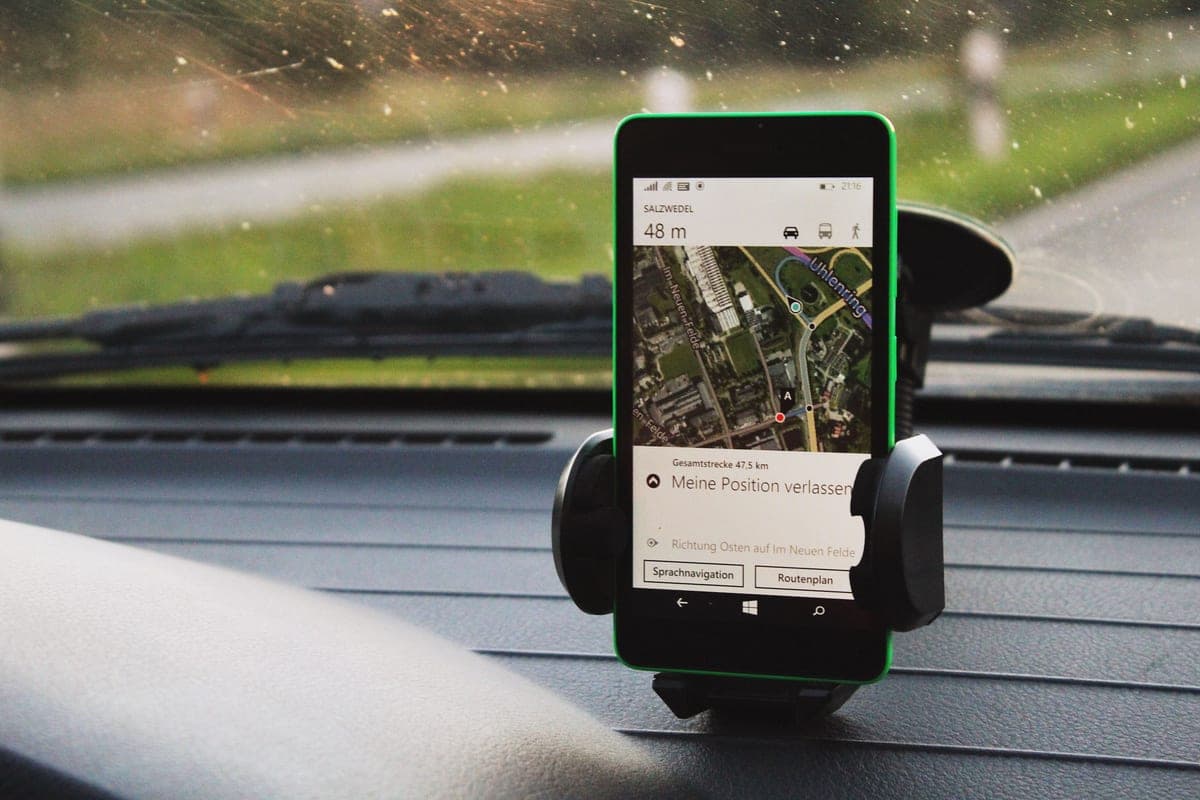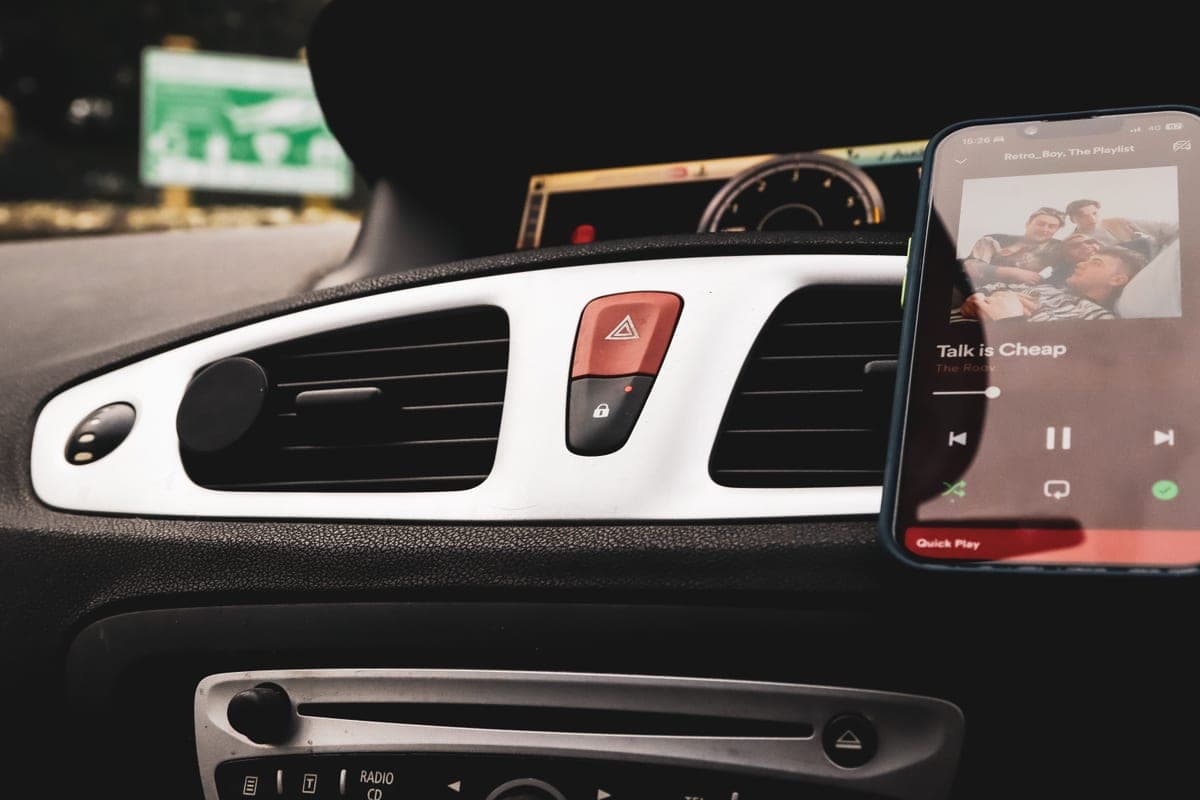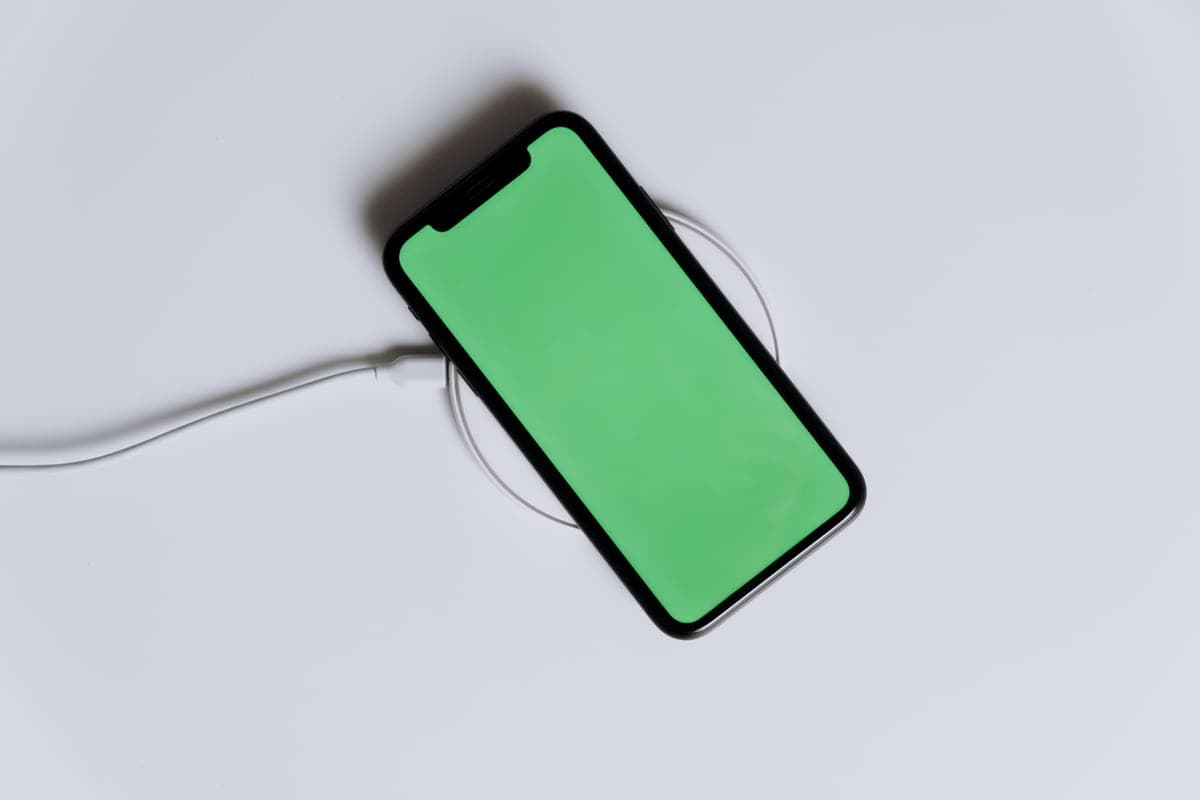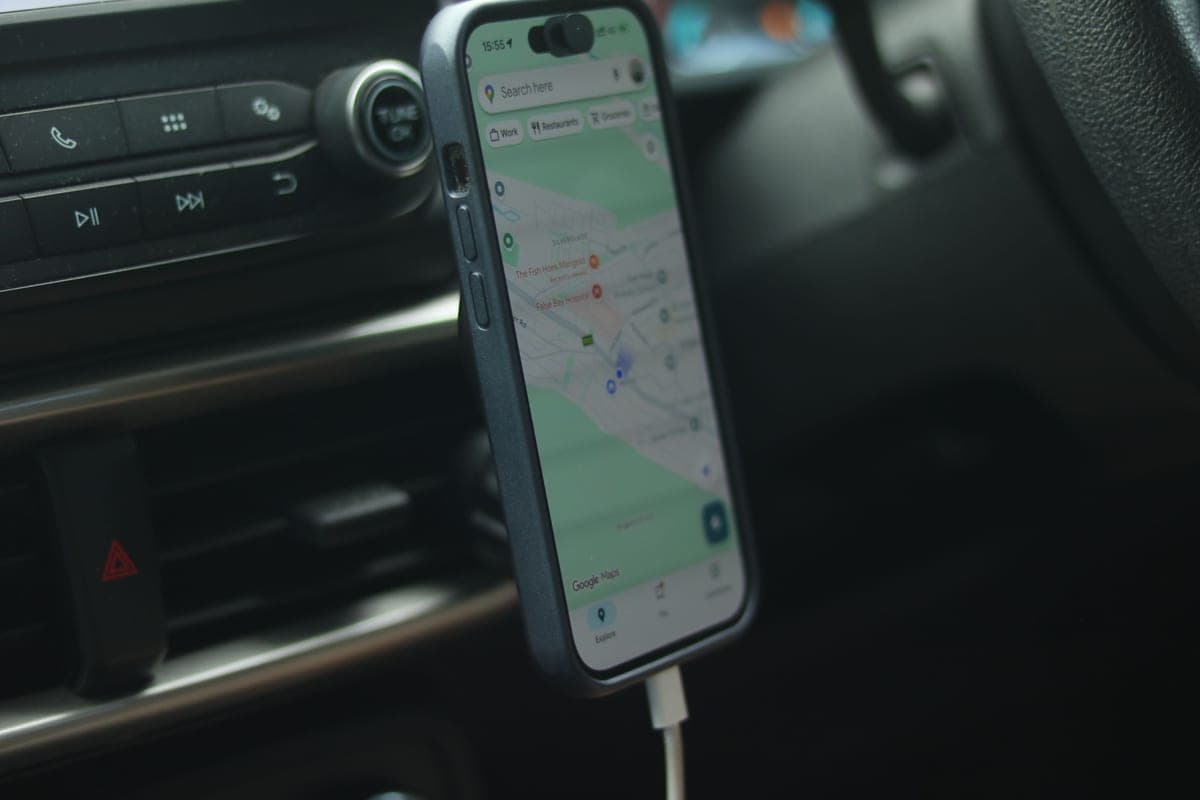
Wireless charging in a car is sold as pure convenience, and for a short trip that is exactly what it is. On a long drive in warm weather it is a trade, and the trade is worth understanding before you buy the mount rather than after.
Why heat is the whole story
Inductive charging is less efficient than a cable, and the energy that does not reach the battery becomes heat at the back of the phone. Meanwhile navigation runs the screen at full brightness, the GPS radio continuously, and the cellular modem hard. In direct summer sun, all three of those are already pushing the phone toward its thermal limit.
The result is familiar to anyone who has tried it: the phone gets hot, throttles, dims the screen, and in the worst case stops charging altogether to shed heat — so you arrive with less battery than you would have had on a cable.
Quick picks
| # | Product | Best for | Price |
|---|---|---|---|
| 1 | 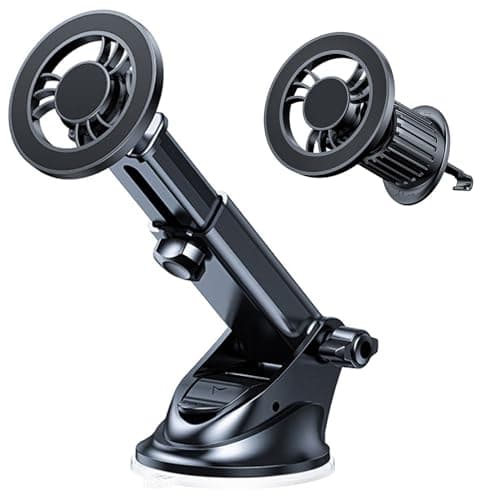 MagSafe Car Mount, Windshield + Vent + Dashboard 2-in-1One kit that mounts three ways — windshield, dash and vent — which is the right buy when you have not decided, or when you swap between two vehicles. MagSafe Car Mount, Windshield + Vent + Dashboard 2-in-1One kit that mounts three ways — windshield, dash and vent — which is the right buy when you have not decided, or when you swap between two vehicles. | Not knowing yet where you want the phone | $13.99 · View on Amazon #ad Price as of October 25, 2026. How we’re funded |
| 2 | 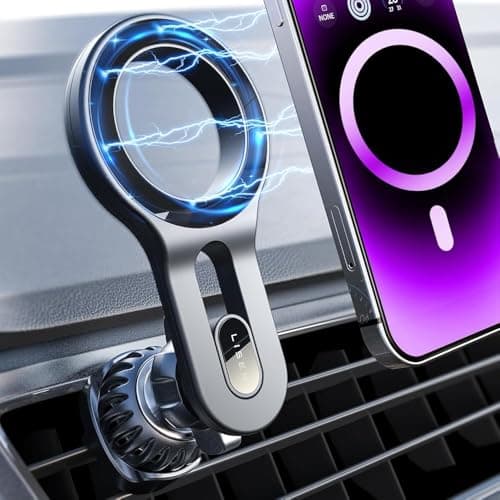 LISEN MagSafe Car Mount, Air Vent, 22 N52 Magnets22 N52 magnets is the highest count on this page, and the listing states a metal hook that locks to horizontal and vertical vent blades rather than a plastic clip. LISEN MagSafe Car Mount, Air Vent, 22 N52 Magnets22 N52 magnets is the highest count on this page, and the listing states a metal hook that locks to horizontal and vertical vent blades rather than a plastic clip. | The strongest magnet array published here | $12.98 · View on Amazon #ad Price as of October 25, 2026. How we’re funded |
| 3 | 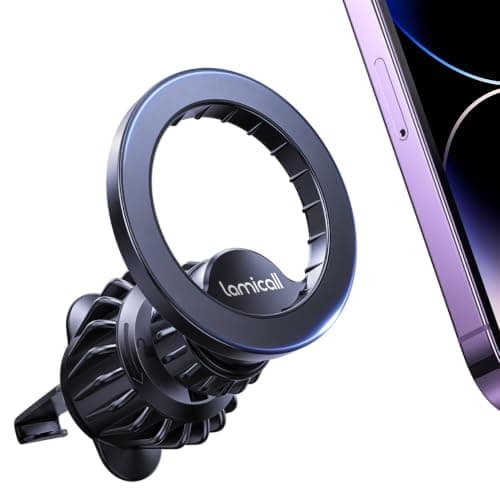 Lamicall MagSafe Car Mount, Vent, 20 MagnetsOne of only two mounts here whose listing states a hold in actual weight: 20 magnets, up to 4.4 lb. That is a number you can check a phone against. Lamicall MagSafe Car Mount, Vent, 20 MagnetsOne of only two mounts here whose listing states a hold in actual weight: 20 magnets, up to 4.4 lb. That is a number you can check a phone against. | A published hold figure | $8.98 · View on Amazon #ad Price as of October 25, 2026. How we’re funded |
#1 · Not knowing yet where you want the phone
MagSafe Car Mount, Windshield + Vent + Dashboard 2-in-1
Generic (3-position magnetic)
One kit that mounts three ways — windshield, dash and vent — which is the right buy when you have not decided, or when you swap between two vehicles.
Three mounting options in one box is genuinely useful if you drive two different cars. It is dead weight if you drive one and already know where the phone goes.
Windshield placement is the one to think twice about — several states restrict what may be attached to a windshield and where. Check before you suction it to the glass.
What works
- Three positions in one kit
- 360° rotation
- Broad MagSafe compatibility
What does not
- No published magnet count or hold weight
- Windshield mounting is legally restricted in several states
- More parts to lose
Skip this if
Skip it if you already know you want a vent mount. Buy the one that publishes a hold weight.
Where these numbers came from
We have not handled this product. Here is what we did instead.
#2 · The strongest magnet array published here
LISEN MagSafe Car Mount, Air Vent, 22 N52 Magnets
LISEN
22 N52 magnets is the highest count on this page, and the listing states a metal hook that locks to horizontal and vertical vent blades rather than a plastic clip.
Magnet count is a real proxy for holding force but it is not a specification — array geometry matters as much as quantity. Use it to compare within a category, not to compute anything.
The metal hook is the part that fails on cheap vent mounts. A plastic hook flexes with cabin heat and drops the phone; a steel one does not.
Vent mounts put your phone in the airflow. In summer that cools the phone; in winter, hot air on a phone in direct sun is how you get a thermal-throttling warning mid-navigation.
What works
- Highest published magnet count here
- Steel hook rather than plastic
- Works on both horizontal and vertical vent blades
What does not
- No rated hold weight in pounds
- Needs a MagSafe phone or a MagSafe case
- Blocks one vent
Skip this if
Skip it if your car's vents are the thin round eyeball type — hook mounts need a blade to grip.
Where these numbers came from
We have not handled this product. Here is what we did instead.
#3 · A published hold figure
Lamicall MagSafe Car Mount, Vent, 20 Magnets
Lamicall
One of only two mounts here whose listing states a hold in actual weight: 20 magnets, up to 4.4 lb. That is a number you can check a phone against.
4.4 lb against a phone that weighs about half a pound is a wide margin — and margin is what you want, because the load in a pothole is several times static weight.
A stated hold weight is worth more than a magnet count. Prefer the mount that publishes one.
What works
- Publishes a rated hold weight
- 20 N52 magnets
- Established brand with a long listing history
What does not
- Vent-only
- MagSafe required
- Blocks a vent
Skip this if
Skip it if you want a dashboard position — this is a vent mount and nothing else.
Where these numbers came from
We have not handled this product. Here is what we did instead.
When to just use a cable
- Long summer drives with navigation running. A cable charges faster and adds no heat at the phone.
- Any drive where you need the phone to gain charge rather than hold it.
- Thick or metal-backed cases, which reduce inductive efficiency and therefore increase the heat penalty.
- Cars where the only mounting position is on the dashboard in direct sun.
What we are not telling you
Charging rates in watts, or a comparison of how fast one mount charges versus another. None of the mounts here publishes a figure we could verify, and a charging rate we made up would be worse than useless because people would plan a road trip around it. What we can tell you is the mechanism, which does not change between products.
How we picked these
Mounts that put the phone where the heat problem is smallest — in front of a vent — and that hold it well enough to matter. Every figure is from the maker's own listing and cited on the card. We have not measured charging performance and do not claim to have.
Sources
Everything on this page traces back to one of these. Where a figure could not be sourced, the page says so rather than filling the gap.